Fancy Color Diamonds · The House Guides
Fancy Pink Diamonds: Rarity and How to Buy
A working guide to fancy pink diamonds: the post-Argyle scarcity behind the price, how grading nuance separates value tiers, and Legacy's live catalogue data.
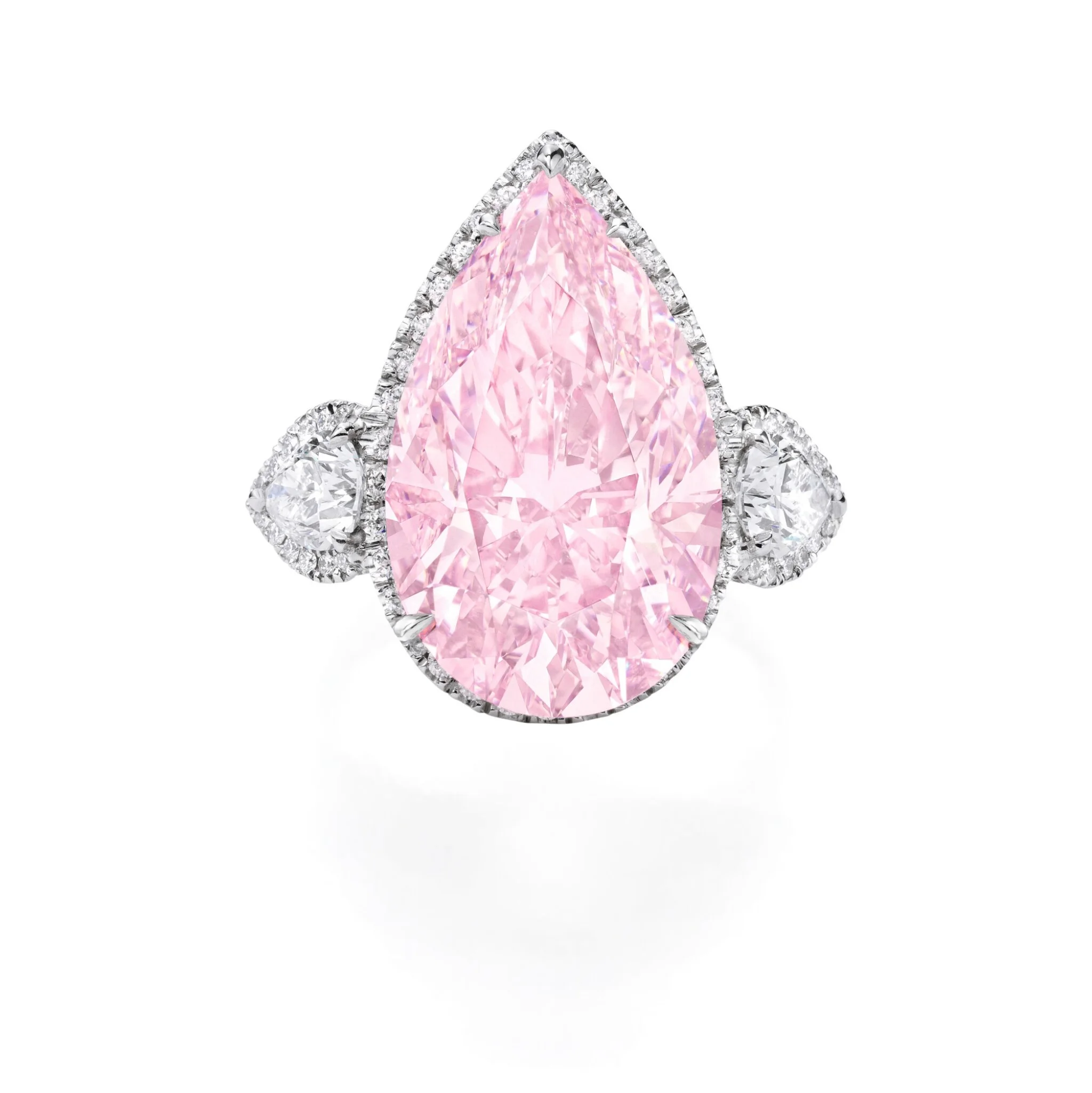
That premium is not a marketing figure; it reflects genuine scarcity. Natural pink diamonds occur in a tiny fraction of the world’s diamond production, and the single largest historical source, Australia’s Argyle mine, closed in November 2020, permanently tightening supply of the pink diamonds already in circulation.
Why pink diamonds are rare in the first place
Unlike yellow diamonds, whose color comes from nitrogen impurities, or blue diamonds, colored by boron, pink diamonds owe their color to a structural distortion in the crystal lattice formed under intense pressure as the stone crystallised, not to a trace element. This distortion is poorly understood even now and cannot be reliably reproduced, which is part of why pink color cannot be consistently created through treatment in the way some other colors can be approximated. The result is a color origin that is both rarer and harder to fake convincingly than most.
The Argyle closure and what it changed
The Argyle mine in Western Australia produced the majority of the world’s pink diamonds for nearly four decades before its exhaustion and closure in 2020. Its closure did not stop pink diamonds from existing, since other sources, including mines in Russia, Africa and elsewhere, produce them in smaller quantities, but it removed the dominant supply line for the market’s pink stones.
Grading nuance: why pink is harder to grade than yellow
Pink diamond grading involves an additional axis that yellow and blue grading do not: overtone. A pink diamond’s color is described not just by hue, tone and saturation but often by a secondary modifying color, such as purplish-pink, brownish-pink or orangey-pink, each of which is valued differently by the market. Purplish-pink is generally the most prized modifier; brownish tones are typically valued lower. This makes two stones both labelled simply Fancy Pink potentially quite different in appearance and price once the full grading description is read, and it is a detail buyers should confirm on the certificate rather than assume from the trade name alone.
How pink compares to blue and other rare colors
Among fancy color diamonds, pink and blue are generally regarded as the two rarest and most valuable hues, both scarcer than yellow and both driven by different origins, structural distortion for pink, boron impurity for blue. Blue diamonds are typically the rarer of the two at the very top end, but pink diamonds have a broader base of collector demand and a more established trading history, in part because of the visibility the Argyle mine gave the color over its operating decades. In practical terms for a buyer, this means pink diamonds are more frequently available at a range of sizes and saturations than blue, even though both sit well above yellow in typical per-carat pricing.
Cut and carat behaviour in pink diamonds
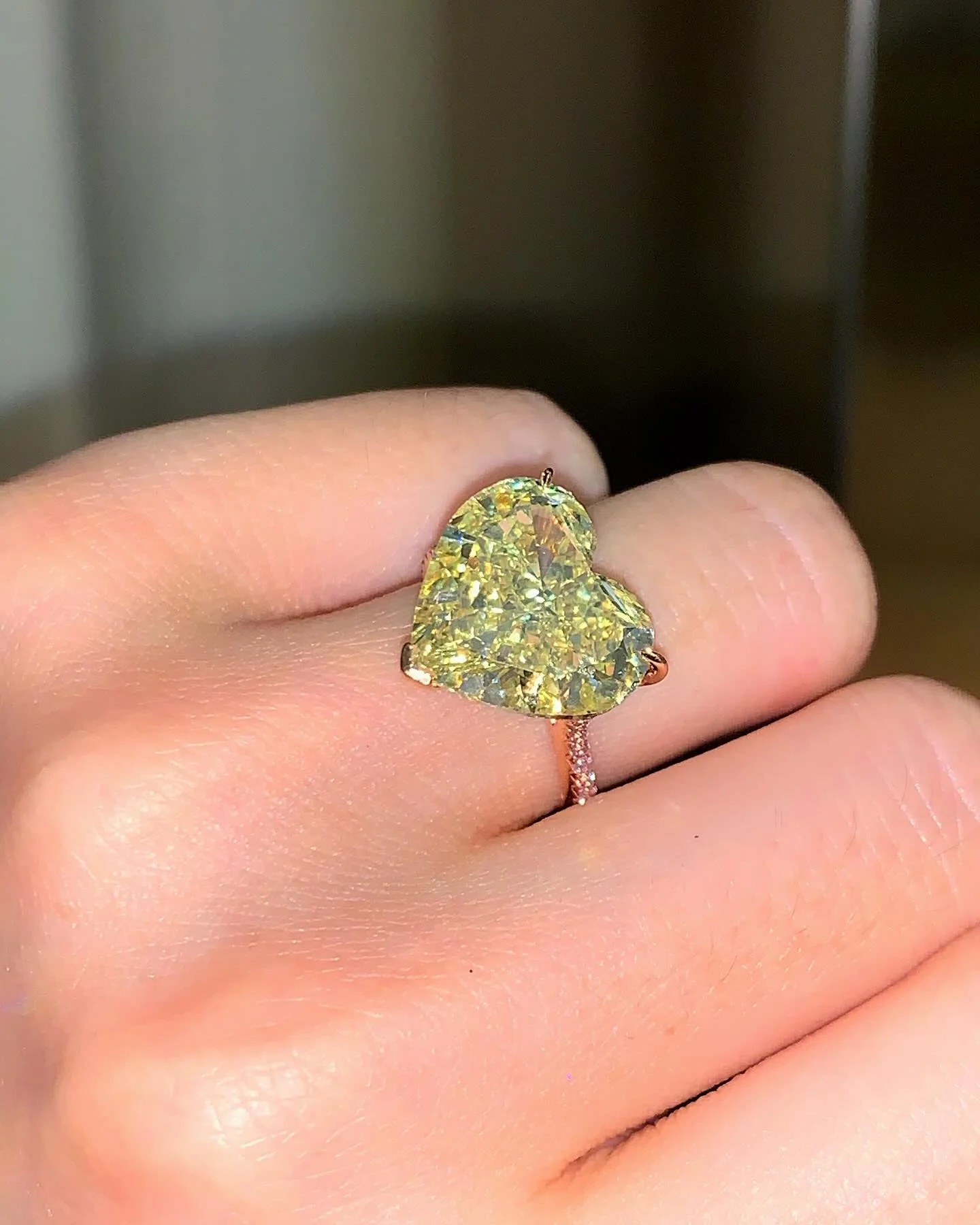
Because rough pink diamond crystals are typically small, cutters have historically favoured shapes that preserve carat weight over shapes that maximise brilliance, which is part of why cushion, radiant and other modified cuts appear more often among fine pink diamonds than round brilliants do. A cutter faced with a rare pink rough will generally choose the shape that retains the most weight and color saturation, even at some cost to light performance, given how much more valuable an extra fraction of a carat is in this color category than in white diamonds.
Pink diamonds as a long-term holding
Collectors who treat fine colored diamonds as part of a broader collection, alongside fancy yellow or blue stones, often place pink at the top of that hierarchy given its combination of rarity, closed primary supply and consistent collector demand since the Argyle closure. This is not a guarantee of any particular financial outcome, but the scarcity dynamics described above are structural rather than driven by short-term market sentiment, which is part of why pink diamonds are frequently discussed in the context of multi-generational holdings rather than short-term acquisitions. Buyers approaching a pink diamond this way typically weight documentation, laboratory certification, and where available, chain of provenance, as heavily as the stone’s visual qualities.
Clarity and the visual forgiveness of pink
As with other fancy colors, clarity grading in pink diamonds is read differently than in white stones. The color itself draws the eye and can mask minor inclusions that would be more noticeable in a colorless diamond of the same clarity grade. This gives buyers some latitude to prioritise saturation and overtone over an exceptionally high clarity grade, since a VS-clarity pink diamond with strong, even color will typically read as flawless to the naked eye in normal viewing conditions.
Buying with confidence: certification and viewing
Given how much grading nuance sits inside a single word like pink, independent certification matters more here than almost anywhere else in the catalogue. Every pink diamond Legacy offers is certified by GIA, IGI or HRD, with the laboratory arranged on request so the client can choose the report they trust, and the full color description, hue, overtone and saturation, is available for review before purchase. Legacy also arranges private viewings, in person or by live video, so a client can judge overtone and saturation under real light rather than relying on photography alone.
Setting choices that protect and present pink color
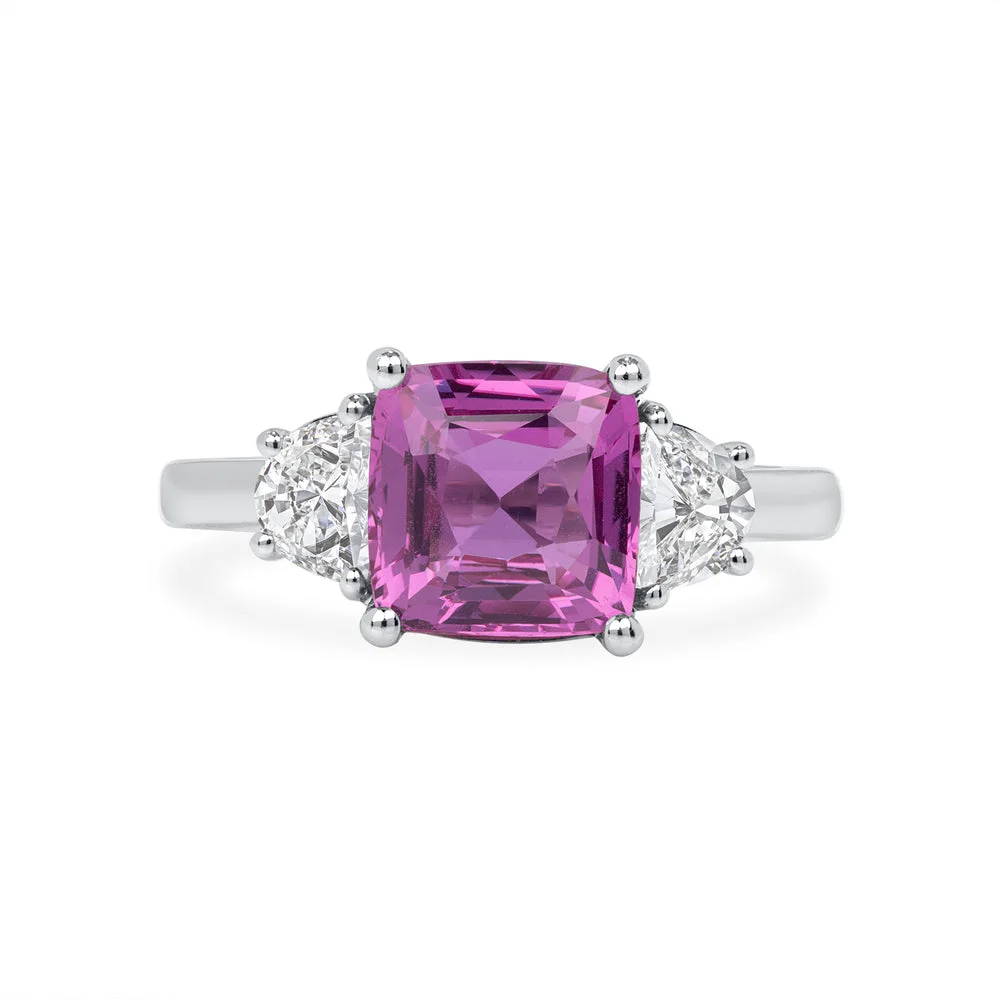
White gold and platinum settings are the most common choice for fine pink diamonds, since a neutral metal lets the stone’s own color and overtone read without interference, unlike rose gold, which can flatter a weaker pink but also make it harder to judge the stone’s true saturation. A halo of smaller white or pink diamonds is frequently used to visually reinforce a center stone’s color and add perceived size, a technique especially common with pink diamonds under two carats, where rough size is at its most limited. As with any fancy color purchase, viewing the stone against more than one metal background before deciding is worth the extra step, given how much a setting can shift the read on saturation.
Questions collectors ask
Why are pink diamonds so much more expensive than yellow diamonds?
Pink diamonds are considerably rarer in nature, and the closure of Australia’s Argyle mine in 2020 removed the dominant historical source of supply.
Are all pink diamonds from the Argyle mine?
No. Argyle was historically the largest single source, but pink diamonds have also come from mines in Russia, Africa and elsewhere. Argyle provenance, when documented, is a distinct and often valued attribute rather than a requirement for a stone to be a genuine fancy pink.
What is the difference between a purplish-pink and a brownish-pink diamond?
These are overtone descriptions that modify the base pink hue. Purplish-pink is generally the more prized combination in the market, while brownish-pink typically trades at a lower premium, even at the same core saturation grade.
Can a pink diamond’s color be verified as natural?
Yes. GIA, IGI and HRD all test for natural versus treated color origin and disclose the finding on the certificate. Buyers should always confirm this line on the report rather than relying on a listing description alone.
Legacy’s fancy pink diamonds can be viewed within the fancy color diamond collection and the high jewelry collection. For broader context on acquiring color diamonds as part of a collection, see the fancy color diamonds investment guide. Given the scarcity involved, clients considering a pink diamond are encouraged to arrange a private consultation, in person or by live video, and may privately suggest a price on any piece.
The Pieces in This GuideThe Vault →
From the Legacy vault — each one-of-a-kind, independently certified.
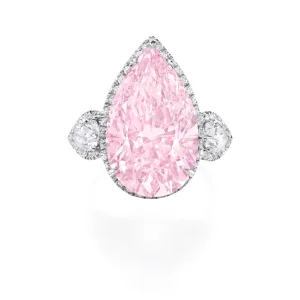
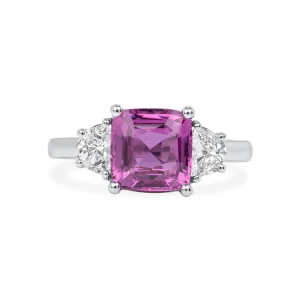
A private advisor answers on the figures in this guide — and places any piece from the vault within them, certificate first.
More from Fancy Color DiamondsAll Guides →
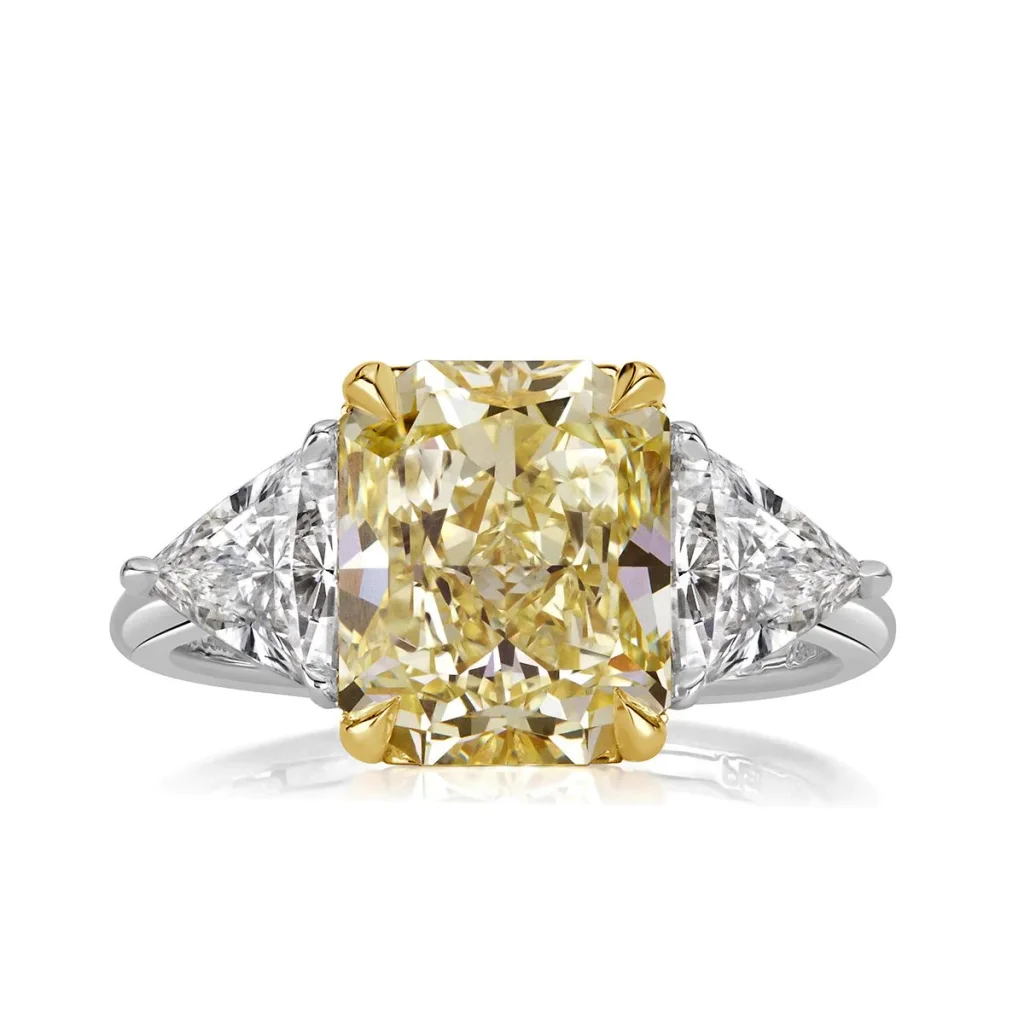 Fancy Color Diamonds: A Collector’s GuideFANCY COLOR DIAMONDS · AUG 21, 2026
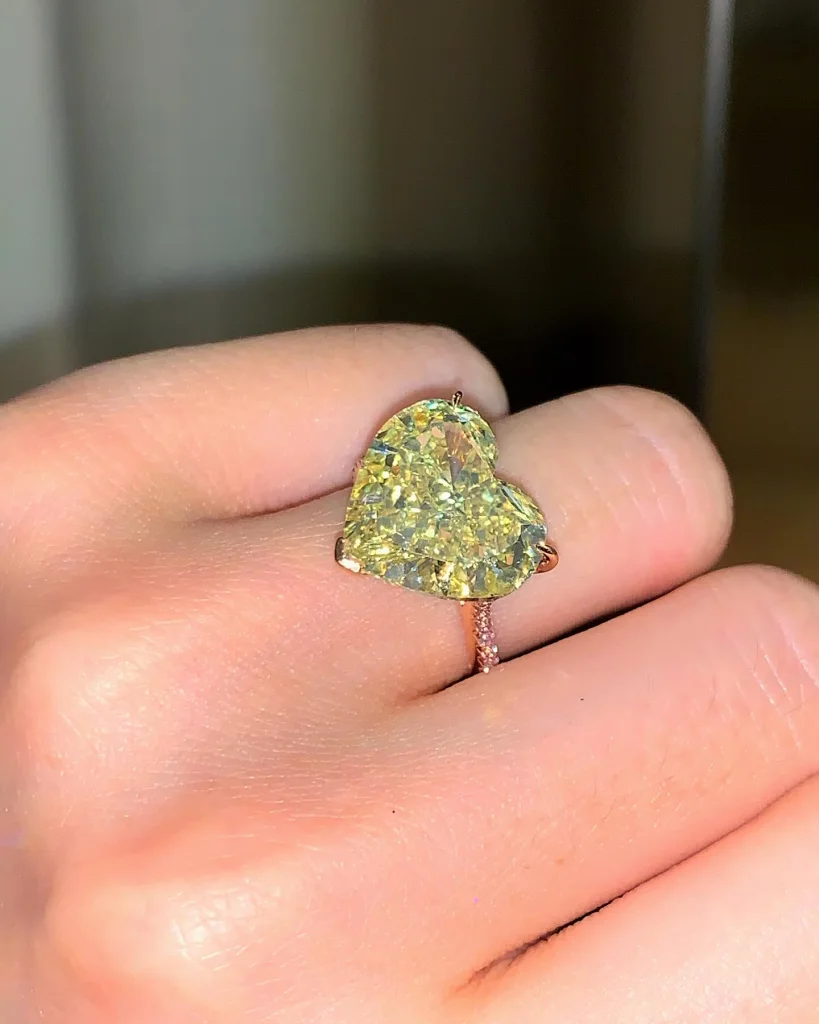 Fancy Yellow Diamonds: The Buying GuideFANCY COLOR DIAMONDS · AUG 21, 2026
 Diamond Necklace Price Guide: 50 to 100 CaratsFANCY COLOR DIAMONDS · AUG 31, 2026
 Diamond Earrings Price Guide: Studs, Drops, What They CostFANCY COLOR DIAMONDS · AUG 31, 2026
 15+ Carat Diamond Price Guide: What It Actually CostsFANCY COLOR DIAMONDS · AUG 31, 2026
 10 Carat Diamond Ring Price Guide: What It Actually CostsFANCY COLOR DIAMONDS · AUG 31, 2026
The Vault, Continued
Every piece one-of-a-kind, every price published. Keep scrolling — the vault does not end here.